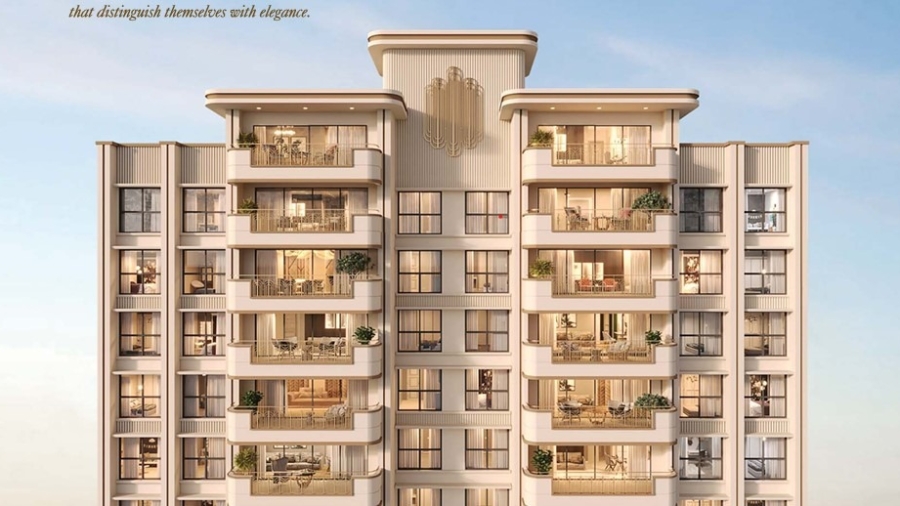

Modern commercial office high-rise building with illuminated windows at night in Pune

Don’t Invest in Pune Commercial Property Without These 2026 Market Insights:

Investing in commercial property in Pune in 2026 can be highly bene for those who understand the market’s complexities. High demand from Global Capability Centres (GCCs), IT-BPM occupiers, also major infrastructure expansions, such as Metro Line 3 and the Pune Outer Ring Road, positions Pune as a premium destination for commercial real estate investment. This article provides essential, in-depth information on the Pune commercial property market to help you make smart, future-ready decisions.

1. Define Your Investment Purpose and Budget

Before you start searching for properties, it’s important to be clear about your investment goals. Are you buying for your own business use, to earn steady rental income, or with the hope of selling at a profit in a few years? Having a clear purpose will help you choose the right location, asset type, and lease structure.

Next, set a realistic budget. Don’t just consider the property’s sticker price factor in stamp duty, registration fees, GST (if applicable), legal costs, brokerage, and any money you’ll need for interiors or fit-outs. In 2026, Pune’s commercial market offers opportunities across a wide price range, but careful budgeting ensures you invest within your means and can cover all expenses comfortably.

Taking the time to define your investment purpose and budget at the start will help you make smarter, more confident decisions as you move forward.

2. Tenant Profile, Micro-Market Demand & Lease Structures

In 2026, Pune’s commercial property market is mainly driven by GCCs and IT-BPMs sector, with high demand concentrated in micro-markets such as Hinjewadi, Kharadi, and Viman Nagar.

  • Hinjewadi IT Park: High demand, limited new supply, and strong absorption.
  • Kharadi & Viman Nagar: Stable vacancy, sustained demand for premium assets.

Pune Commercial Real Estate: Micro-Market Analysis & Growth Indicators

Micro-Market Key Tenants/Occupiers Vacancy Trend 2026 Typical Rental Yield Infrastructure Highlights
Hinjewadi TCS, Tech Mahindra, Infosys Declining 6–8% Metro Line 3, Outer Ring Road (West)
Kharadi Barclays, Citi, Cognizant Stable 6–7% Metro Line 2, Proximity to Airport
Viman Nagar IBM, Capgemini, BFSI Stable 6–7% Metro access, Pune–Ahmednagar Road
Baner–Balewadi Persistent, Zensar, Startups Stable 6–7% Ring Road (planned), Balewadi Metro
Hadapsar/Magarpatta Accenture, Mphasis Stable 6–7% Existing infra, good connectivity

Investor Checklist:

  • Match tenant demand with available sectors in the micro-market (e.g., IT, GCC, BFSI, co-working).
  • Try for longer lease lock-ins (minimum 3–5 years) and annual escalations of 4–5%.
  • Look for tenants with strong financials and sector outlook.
  • Focus on micro-markets that are already developed rather than on speculative secondary locations.

Begin by defining your investment objective, e.g., individual use, capital appreciation, or rental income. Formulate a comprehensive budget that covers property price, stamp duty, registration, legal fees, and fit-out or renovation costs. Proper financial planning is essential for a successful investment.

  • Tenant Profile and Lease Structure
    Before investing, review the tenant profile in your short-listed area. For eg. Hinjewadi and Kharadi are key IT hubs, with major employers such as TCS and Tech Mahindra operating large facilities, and these Blue-chip tenants provide security and minimise vacancy risk. Evaluate lease terms, lock-in periods, escalation clauses, and tenant turnover rates in your selected micro-market.
    Checklist for lease terms, such as lock-in periods, escalation clauses, and tenant turnover rates. A stable tenant base with long-term leases is vital in high-demand micro-markets such as Hinjewadi. For deep insights into tenant earnings and demand in Hinjewadi, refer to my detailed blog post.

3. Property Management: Premium vs. Standalone

Professional property management is a key differentiator in 2026.

  • Grade-A parks:: Top-grade business parks in locations like Kharadi, Hinjewadi, Viman Nagar, and Hadapsar (such as World Trade Centre and major IT/ITeS campuses) are managed by international property managers like JLL, CBRE, Cushman & Wakefield, and Knight Frank. Because of their professional management, strong services and strict compliance, these projects command higher rentals, enjoy better occupancy and make buying or selling units in them much smoother.
  • Standalone/Strata assets Professional property management is critical if you want steady returns and happy tenants. In Pune, Grade-A offices like World Trade Centre (Kharadi), Magarpatta City (Hadapsar) and Panchshil Business Park (Viman Nagar) are managed by leading firms such as JLL, CBRE, Cushman & Wakefield, Knight Frank and Colliers, who take care of security, housekeeping, repairs and compliance helping these buildings attract multinational tenants and command premium rents.
  • On the other hand, many standalone or strata-owned buildings suffer from uneven maintenance and slower response to tenant issues, which can pull down rentals and increase vacancy. In such a competitive market, paying for professional management often pays back through better tenant retention, stronger positioning and more stable cash flows.

Professional property managers in Pune usually charge around 3–6% of the monthly rent, and in return they help keep your building occupied, ensure rents are collected on time, and support long-term value growth for your asset. If you want to explore leading firms, you can visit the websites of JLL India, CBRE India, Cushman & Wakefield India, Knight Frank India and Colliers India, but always do your own due diligence before appointing any agency.

4. Connectivity: Metro & Ring Road Reality Check (2026)

Metro Line 3 (Hinjewadi–Shivajinagar):
Metro Line 3 is almost fully built, and part of the route (around 13 stations) is expected to start running by the end of 2026. Once trains start running, travel between Hinjewadi and the city centre will be faster, which could push up rents for properties close to the metro.

Pune Outer Ring Road:
The Pune Outer Ring Road is a major 138–170 km expressway project, and the western stretches are only partly built so far. In practical terms, that means full completion is likely only around 2027 or later, so areas like Hinjewadi, Baner and the Mulshi belt should treat it as a medium-term booster rather than an immediate game-changer. For investors, it’s safer to think of the ring road’s benefits (better connectivity, higher visibility, and improved traffic flow) playing out over the next 3–7 years, not overnight.

Bottom line: Focus on properties with immediate or near-term connectivity benefits. Avoid overvaluing assets based on infrastructure that will take years to be completed.
When evaluating commercial property in Pune, accessibility is a top consideration. For eg. Hinjewadi’s connectivity is set for a major boost with the Hinjewadi–Shivajinagar Metro line, connecting to the Vanaz–Kothrud corridor and the Ramwadi line near Kharadi. The Shivajinagar Metro hub will enable uninterrupted travel between Pune’s main business districts, reducing commute times for thousands of IT professionals. Planned metro extensions to Wagholi and other suburbs signal even more growth in the future.

The Pune Ring Road project will further strengthen connectivity, linking Hinjewadi, Baner, Kharadi, and more. For Hinjewadi Phase 3, the closest Ring Road access will be at Ghotawade Phata (about 6–7 km, or a 15–20-minute drive). The 170-km Ring Road will connect all major highways and business zones, reducing congestion and opening up new investment opportunities.
Pune’s road network around Hinjewadi is also getting a boost. The Pune–Mumbai–Bengaluru Highway, next to Hinjewadi, is being widened with new service roads and flyovers to handle rising traffic, which will help reduce travel time, improve accessibility, and make commercial properties along this stretch even more attractive to businesses and investors.

5. Amenities & New Workplace Expectations

Since 2023, Pune’s commercial tenants have become far more choosy about where they work. They now expect:

  • Uninterrupted 24/7 power backup, efficient air-conditioning, and uninterrupted high-speed internet.
  • Adequate parking, fast and reliable lifts, plus on-site food options, retail, and basic wellness facilities.
  • Green areas, environment-friendly features, and buildings that meet modern ESG and wellness standards.

Because of this, Grade-A projects in Hinjewadi, Kharadi, Viman Nagar and Hadapsar enjoy higher occupancy and can charge premium rents, as they tick most of these boxes and offer a better overall workplace experience.

6. Selling Your Property: How to Plan a Profitable Exit in 2026

Pune’s office market in 2026 is steady, with rents growing by 3–4% and occupancy rates at 85%. To sell your property successfully, plan your exit around key infrastructure developments and tenant trends.

  • Short-term (3–5 years): Focus on assets where metro/road benefits will be realised during your holding.
  • Medium-term (5–7 years): Match completion of infrastructure milestones.
  • Long-term (7+ years): Hold prime, managed Grade-A assets in established corridors for stable yield. For efficient exits, engage reputable agencies such as JLL, CBRE, Knight Frank, and Anarock, which are active in Pune’s 2026 office market. They provide accurate valuations and facilitate structured sales.and structured sales.
    A well-planned exit strategy is important for maximising your returns. Properties in prime locations like Hinjewadi, Kharadi, Baner, and Magarpatta City see strong resale demand, especially from IT companies and global tenants. For example, office spaces in EON IT Park and Magarpatta City have changed hands within 3–5 years, delivering 30–50% capital appreciation for early investors.

Executing a Profitable Exit in Pune’s 2026 Commercial Landscape Pune’s office sector currently offers a balanced environment for investors, characterised by 85% occupancy and steady 3–4% rent appreciation. To capitalise on these conditions, your sales strategy should be synchronised with regional infrastructure progress and current market-wide tenant demands.

  • Medium-term Exit (5–7 years): This approach lets you benefit from major infrastructure improvements think metro or highway completion that can raise property values.
  • Long-term Holding (7+ years): Perfect for investors pursuing stable rental income and higher appreciation as Pune’s business districts mature.

Exit Channels

  • Direct Market Sale: Partner with leading commercial real estate agencies in Pune to ensure your asset gains maximum visibility, helping you secure a buyer faster and at a competitive valuation.
  • REIT Divestment: As India’s REIT sector matures, selling your Grade-A office units to or through a Real Estate Investment Trust offers a reliable pathway to liquidity for larger assets.
  • Lease Buyouts: In high-demand corridors, consider negotiating a lease buyout with your existing tenant or a third-party investor; this is often the fastest route to realising your capital gains.

Case Study: The Value of Good Timing. Consider an investor who acquired a 5,000 sq. ft. office space in Panchshil Business Park (Viman Nagar) for ₹5 crore. By 2023, with the metro’s progress and surrounding infrastructure upgrades, the asset’s valuation had climbed to ₹7 crore. By partnering with a firm like JLL India, the owner successfully executed a high-value exit in under three months.

What you can learn: A profitable exit is rarely accidental. It is the result of aligning your holding period with infrastructure milestones and market cycles. Engaging an experienced real estate agency ensures your property is valued accurately and marketed effectively, securing the best possible return on your investment.

7.  What to Buy, Where, and for How Much (2026)

Grade-A Office Spaces (Individual Units):
If you’re looking for a reliable rental asset, offices in areas like Hinjewadi, Kharadi, Viman Nagar, Baner–Balewadi, or Magarpatta/Hadapsar are solid choices. These locations typically yield a net rental return of 6–8% per year. They’re especially well-suited for investors who want steady tenants- think IT companies, global capability centers, and financial firms while keeping vacancy risks low.

Retail Shops & Showrooms on Prime High Streets:
For those interested in retail, consider shops or showrooms in busy spots like Koregaon Park, FC Road, JM Road, Baner, Wakad, and the high streets of Kharadi and PCMC. Depending on the exact location and brand appeal, average returns are in the 5–7% range. These properties can be a good fit if you’re comfortable with a little more vacancy risk in exchange for better visibility and the potential for higher long-term gains.

Entire Floors or Small Commercial Buildings:
If you prefer larger investments, buying an entire floor or a standalone building in Hinjewadi, Baner–Balewadi, or PCMC can offer strong returns. These properties often attract tenants like co-working companies, IT and tech firms, education providers, consultants, and healthcare businesses. For anchor tenants, you’ll typically see lease lock-ins of 5–9 years, which bring stability to your rental income.


Leasing Terms to Aim For (2026)

  • Offices: Look for leases with a 3–5-year lock-in (and a total lease of 9–15 years), annual rent increases of 4–5%, and a security deposit of 3–6 months’ rent. If you provide high-quality fit-outs, you may be able to charge a premium.
  • Retail: For established brands, aim for 3–6-year lock-ins, with step-up rent escalations. In some malls or top high streets, expect to negotiate a mix of base rent and a share of the retailer’s revenue.
  • Full Floors/Buildings: With these, 5–9-year lock-ins are common, and it’s important to clearly spell out who pays for common area maintenance, fit-outs, and what happens if the lease is terminated early.

How Much to Invest?

  • ₹1 crore – ₹1.5 crore: Great for small offices (300–600 sq ft) or compact retail shops in up-and-coming neighbourhoods. Ideal for those new to commercial property.
  • ₹1.5 crore – ₹3 crore: The “sweet spot” for most investors—this range covers mid-sized offices or high-street shops (600–1200 sq ft) in top projects and locations.
  • ₹3 crore – ₹7 crore: Go bigger with larger offices or showrooms, which can deliver both regular income and the chance for significant appreciation, or help you build towards a REIT portfolio.
  • ₹7 crore and above: For those seeking premium assets, consider full floors, standalone buildings in established IT corridors, or high-profile showrooms. These are usually favoured by high-net-worth individuals and family offices.

In summary:
For most individual investors in Pune in 2026, putting ₹1.5–₹3.5 crore into a high-quality office or well-located retail unit, with a 3–5-year lease lock-in and 4–5% annual rent increase, is often the most balanced and flexible approach

8. Recommended Asset Types, Leasing Terms, and Ideal Investment Ticket Sizes (2026)

Pune’s 2026 commercial market offers healthy leasing activity across both office and retail, with Grade-A offices and prime high streets performing best. Here’s how to select the right property and structure your investment:

Grade-A Office Units (Strata)

  • Ideal in: Hinjewadi, Kharadi, Viman Nagar, Baner–Balewadi, Magarpatta/Hadapsar
  • Typical net rental yield: 6–8% per annum for well-leased offices in prime corridors
  • Best for: Investors aiming for stable corporate tenants (IT, GCC, BFSI) and lower vacancy risk

Retail Shops & High-Street Showrooms

  • Ideal in: Koregaon Park, FC Road, JM Road, Baner, Wakad, Kharadi high streets, and select PCMC belts
  • Typical net rental yield: 5–7% for retail shops/showrooms at good locations, depending on frontage and brand mix
  • Best for: Investors comfortable with slightly higher vacancy risk in exchange for stronger frontage and long-term capital appreciation

Leasing Entire Floors / Small Buildings

  • Ideal where: You can buy a full floor or small commercial building in Hinjewadi, Baner–Balewadi, or PCMC corridors and then lease to a single corporate, co-working operator, or education/consulting company
  • Advantage: Single-tenant or limited-tenant structure, easier management, and stronger negotiation leverage for lease terms

Leasing Terms: What to Target in 2026

  • Grade-A Offices: Aim for a 3–5 year lock-in within a 9–15 year total lease term for corporate/GCC tenants; 4–5% annual escalation (or 12–15% every 3 years); security deposit typically 3–6 months’ rent; negotiate rent premium for quality fitouts
  • Retail Shops & Showrooms: 3–6 year lock-in for established brands; 3-year lock-in with renewal for smaller F&B/fashion; 4–5% per annum escalation or step-up escalations; some may ask for base rent plus revenue share
  • Entire Floors/Small Buildings: Tenant types can include co-working, IT/ITES, ed-tech, consulting, or healthcare; target 5–9 years lock-in for anchor tenants; clear fitout/exit clauses; tenants pay CAM separately in Grade-A assets

Commercial Investment Tiers

Investment Range Typical Asset Sq. Ft. Range Expected Tenant Type Yield (Net)
₹1–1.5 crore Small Office/Shop 300–600 sqft SMBs, Startups, Local Retail 6–8%
₹1.5–3 crore Mid-size Office/Shop 600–1200 sqft IT, GCC, Brands, National Retail 6–8%
₹3–7 crore Large Office/Showroom 1500–3000 sqft Corporates, Co-working, Prime Retail 6–8%
₹7 crore & above Full Floor/Building 3000+ sqft Anchor Tenant, Institution 6–8%
  • ₹1 crore – ₹1.5 crore: Small office units (300–600 sq ft) in Hinjewadi, Wakad, Baner–Balewadi, or compact retail shops in upcoming high streets; best for first-time investors looking for 6–8% rental yield
  • ₹1.5 crore – ₹3 crore: Mid-sized offices (600–1200 sq ft) in Grade-A projects in Hinjewadi, Kharadi, Viman Nagar, Hadapsar, or high-street shops/showrooms in Baner, Wakad, PCMC high streets; ideal sweet spot for individuals
  • ₹3 crore – ₹7 crore: Larger offices (1500–3000 sq ft) or corner/double-height showrooms in prime corridors; suitable for yield plus capital appreciation or portfolio building
  • ₹7 crore and above: Full floors or small commercial buildings in IT/office corridors, prime showrooms on marquee roads; best for HNIs and family offices

Recommendation: For most individual investors in Pune’s 2026 market, investing ₹1.5–₹3.5 crore in a professionally managed Grade-A office or high-street retail unit, with a lease lock-in of 3–5 years and annual escalations of 4–5%, is the most balanced and scalable strategy for returns and risk.

  • Use micro-market data: Stick to Hinjewadi (declining vacancy), Kharadi & Viman Nagar (stable demand).
  • Don’t overpay for future infra: Metro and Ring Road benefits are realised over 3–7 years.
  • Grade-A, professionally managed assets lead the market for rent growth and occupancy.
  • Plan your exit at entry: Match holding periods to infrastructure timelines and lease cycles.

Ready for Your 2026 Investment Move?
Pune’s commercial property market in 2026 presents strong opportunities for well-informed investors. Success depends on selecting the appropriate micro-market, property type, and lease structure, whether you are new or expanding your portfolio.
Take the next step in a confident and rewarding investment.

Investors discussing co-ownership of commercial property in an office overlooking a city skyline.

Co‑Ownership of Commercial Property in India (2023–26) : Legal & Market Guide

Co‑ownership of commercial property in India matured rapidly between 2023 and 2026 due to SEBI’s SM‑REIT regime, stronger SPV governance, and professional due diligence. It suits yield‑focused retail/HNI investors in pre‑leased Grade‑A offices and warehouses. Before investing, verify structure (SPV/SM‑REIT), escrow controls, and exit mechanics.
Action: Use the 6‑point checklist below to vet any deal before money moves.


Market trajectory (2023–2026): size, growth, and who’s buying

Market size and growth pace

India’s fractional/co‑ownership real estate market was estimated at around USD 5.4 billion in 2020 and projected to reach ~USD 8.9 billion by 2025, growing at roughly 10.5% CAGR (Knight Frank).

By 2025, industry reports peg the fractional real estate market at over USD 1 billion (₹8,000+ crore) in active value, with about 30 registered platforms nationally offering partial ownership in commercial/retail/premium assets. google

Colliers (2024) notes that strata‑sale (a form of fractional ownership) already accounts for ~28% of Grade‑A office stock across India’s top six cities—over 200 million sq ft—and expects this to swell to 260–270 million sq ft (≈ ₹4,500 billion market value) within two years as more assets list under regulated structures. google

What this means: The “co‑ownership” conversation now spans two lanes:

  • (A) Platform‑mediated fractional ownership (retail/HNI tickets of ₹10–25 lakh)
  • (B) Strata/undivided share models in large Grade‑A offices (institutional/HNWI tickets in crores)

Both serve the same investor need: access to high‑yield, pre‑leased commercial assets without the friction of sole ownership.

Who’s investing (and why)

Millennials and NRIs are disproportionately represented among new fractional investors; one 2025 analysis cites ~63% of new investors in this bracket, driven by digital onboarding and yield‑seeking behaviour.google+1

Typical net rental yields quoted by platforms and developers range from 7% to 9%, with some assets reporting higher IRRs on exits (e.g., industrial/warehouse deals).

A key driver is professional management: investors avoid tenant sourcing, lease administration, and maintenance—pain points that historically deterred sole ownership of commercial stock. google


How co‑ownership actually works today: structures you’ll see on term sheets

Modern deals generally use one of these legal wrappers. The wrapper determines your rights, exit options, and risk profile.

SPV (Private Limited) + Shareholders AgreementA company (SPV) holds the property; investors hold shares. Decisions via SHA/AoA; dividends from rent.₹25 lakh – several croresLimited liability; clear cap table; transfer restrictions; drag/tag rights; escrow for collections. Minority squeeze‑out; related‑party leases; opaque related‑party FMVs if SHA is weak.
LLP + LLP AgreementLLP holds asset; partners share profit/loss per agreement. Popular for smaller investor pools.₹10 lakh – ₹2–3 croreContractual clarity on profit share, decision rights, exit mechanics.Less familiar to some lenders; enforcement can be slower than company law remedies if documents are vague.
Trust + SM‑REIT (SEBI‑regulated)Trust holds SPV(s) that own the asset; investors hold units. SEBI rules govern disclosures, valuations, related‑party transactions.Often higher minimums (platform‑dependent), but with strong governanceTrustee oversight, SEBI reporting, independent valuations, restrictions on under‑construction assets (≥95% in completed, income‑generating). poynter+1Regulatory compliance costs; liquidity still limited until secondary markets mature.
Undivided Share (UDS) / Co‑ownership DeedMultiple names on title with defined shares; governed by a co‑ownership deed.Varies widelyPartition rights; predefined decision matrix; pre‑emption on sale.Partition disputes; consent bottlenecks for sale/refinance if deed is silent on quorum/veto.

Practical note: In “trusted investment circles,” the SPV + robust SHA remains the workhorse, while SM‑REITs are increasingly used where platforms want institutional credibility and SEBI oversight.


The regulatory inflexion point: SEBI’s SM‑REIT rules (2024–2025) and why they matter to co‑owners

SEBI’s amendments in March 2024 created a dedicated chapter for Small and Medium REITs (SM‑REITs), explicitly bringing many fractional ownership platforms (FOPs) under a formal regime.poynter+1

Core guardrails that directly protect co‑owners

  • Asset quality: Schemes must invest ≥95% of assets in completed, revenue‑generating properties; under‑construction/non‑income assets are largely excluded.poynter+1
  • Minimum size and investor spread: Each scheme must hold assets worth at least ₹50 crore, bring in a minimum of 200 investors, and keep at least 25% of units in public hands; failure to meet public holding can trigger delisting.poynter+1
  • Governance setup: A separate trustee and investment manager must be in place; the investment manager needs a net worth of at least ₹20 crore (with at least 50% in liquid assets), must meet fit‑and‑proper criteria, and the offer document prepared under a merchant banker’s lead must stay open for public comments for 21 days.poynter+1
  • Transparency & valuation: Independent valuations, related‑party transaction discipline, and ongoing disclosures—critical for avoiding the “black box” problems that plagued early unregistered FOPs.poynter+1

Post‑2024, sophisticated investor circles increasingly insist on SEBI‑registered structures or migration plans when co‑owning, because it hardens the legal scaffolding around cash flows, asset selection, and exit mechanics.


How modern Indian investors legally shield themselves (the playbook)

A. Structure selection with liability isolation

  • Use an SPV (or SM‑REIT trust) so that liabilities (tenant disputes, property taxes, statutory dues) are ring-fenced at the vehicle level, not the individual investor level. Poynter
  • Make sure the property title is clearly held by the SPV (or SPVs); steer clear of “benami” or informal name‑lending arrangements that can create legal headaches later. poynter

B. Shareholders/LLP agreement clauses that actually protect minorities

Well‑drafted SHAs/LLP agreements now routinely include:

  • Reserved matters & quorum: Certain decisions (sale, refinance, related‑party lease, major capex) require super‑majority or unanimous consent, preventing unilateral actions.
  • Pre‑emptive rights & ROFR: Existing co‑owners have the right to buy before any member sells to an outsider, reducing “unknown partner” risk.
  • Tag‑along / drag‑along: Aligns exit incentives; minorities can exit on a sale (tag), or a majority can force a clean sale (drag) under predefined thresholds.
  • Dividend/rent distribution waterfall: A clear formula for net rent after O&M, reserves, and debt service reduces cash‑flow disputes.
  • Deadlock resolution: Mediation/arbitration triggers and buy‑sell mechanisms to avoid stalemates that freeze asset decisions.

C. Cash‑flow controls and escrow discipline

  • Trustee‑controlled or escrowed rent accounts: Rental receipts flow into a monitored account; distributions occur per the agreed-upon waterfall, reducing the risk of siphoning.
  • Independent property manager: Third‑party management (often mandated by platforms) separates operations from ownership, improving auditability.

D. Due diligence upgrades (beyond “title check”)

Post‑2023 best practice packs now include:

  • Title & encumbrance search (with litigation history), plus RERA status where applicable.
  • Tenant credit & lease audit: WALE (weighted average lease expiry), covenants, security deposits, and escalation clauses.
  • Independent valuation and technical due diligence (structural, MEP, compliance).
  • Related‑party lease scrutiny: Ensure rent is at market; related‑party leases are a common failure point in unregulated pools.poynter+1

E. Exit engineering (liquidity planning from Day 1)

  • Pre‑agreed exit windows (e.g., 3–5 years) with buy‑back options, secondary sale protocols, or platform‑facilitated secondary markets.
  • In SM‑REITs, the exchange listing of units can eventually improve liquidity, subject to minimum public-unitholder rules.poynter+1

Risk map: what’s changed since 2023 and where failures still happen

What improved (2023 → 2026)

  • Regulatory clarity: SEBI’s SM‑REIT framework reduced grey‑zone FOPs and standardised disclosures.
  • Professionalisation: More platforms use trustees, merchant bankers, and independent valuers, raising the baseline of governance.
  • Asset mix shift: Greater focus on income‑producing Grade‑A offices, warehouses, and retail over speculative under‑construction products.

Persistent/evolving risks

  • Liquidity mismatch: Even with better structures, secondary markets remain thin; exits can take time if the asset underperforms or caps are tight.
  • Tenant concentration: A single large tenant vacancy can dent yields; robust leases and diversification matter more than ever.
  • Documentation gaps in private pools: In informal “trusted circles,” weak SHAs, unclear quorum rules, and missing escrow arrangements still cause disputes.

Pune / Maharashtra angle (relevant to your market)

Pune’s commercial pipeline (IT/ITeS corridors, warehousing on the urban fringe) has been a natural fit for fractional/strata models, especially for pre‑leased office floors and warehousing where yields are attractive and tenant profiles are institutional.

Many national platforms actively market assets in Pune, Mumbai, Bengaluru, and Gurugram because of stronger tenant demand and better lease documentation making legal shielding easier to implement.

Local insight: In 2025, a Pune warehouse deal structured as an SPV with a pre‑leased blue‑chip logistics tenant reported ~8.2% net yield and a 5‑year exit via platform‑facilitated secondary sale. Similar structures are now common along the Hinjewadi–Tathawade and Chakan belts.

If you’re advising clients in Pune, prioritise assets with clear strata titles or SPV ownership, pre‑leased blue‑chip tenants, and platforms migrating to/operating under SM‑REIT norms where possible.


A practical checklist you can use with investor circles (2026 standard)

Use this to vet any co‑ownership opportunity before money moves:

  • Structure: SPV/LLP/SM‑REIT? Is there a trustee and investment manager with stated net worth/experience?poynter+1
  • Documents: SHA/LLP agreement, Information Memorandum, title report, independent valuation, property manager agreement.
  • Cash controls: Escrow/trustee account for rent; defined distribution waterfall; audit rights.
  • Tenant & lease: WALE, security deposit coverage, escalation clauses, related‑party lease assessment.
  • Exit path: Pre‑defined exit window, secondary sale process, buy‑back/tag/drag mechanics.
  • Regulatory status: If a fractional platform, is it SEBI‑registered or on a migration plan to SM‑REIT?poynter+1

Sources (selected)

  • SEBI’s SM‑REIT amendments and the eligibility/governance rules issued in 2024 (official SEBI circular/notification)
  • Market size and growth estimates from Knight Frank, Colliers, and The Economic Times
  • 2024–2026 analyses on investor profiles, rental yields, and platform trends

Source abbreviations used:
KF = Knight Frank | Colliers = Colliers India | SEBI = Securities and Exchange Board of India | CBRE = CBRE India | Acuity Law | Jugyah = LinkedIn Jugyah | ET = Economic Times

If you’d like the full, detailed source information for these references, just let us know we’re happy to provide it.


About the author

Ananda S D is a real estate sales and marketing professional based in Pune, Maharashtra, with hands-on experience in client acquisition, site operations, and digital marketing. He regularly advises investors on commercial assets in Pune and surrounding corridors and focuses on transparent, regulation‑compliant structures.


Disclaimer

This blog is for informational and educational purposes only. It does not constitute legal, financial, or investment advice. All efforts have been made to ensure accuracy, but regulations and market conditions may change. Readers should consult their own advisors and verify details before making any investment decisions. The author and publisher are not liable for any actions taken based on this content.

Hinjewadi

Hinjewadi’s Rental Return Growth in the Western Pune IT Expansion: 2024–2026 Market Analysis

Market Intelligence Updated Mid-2026 Analysis

Hinjewadi’s transformation into Pune’s leading IT hub has catalysed the emergence of one of India’s most dynamic rental markets. From 2024 to 2026, rental yields and values have reached historic highs, driven by corporate mandates, changing tenant preferences, and major infrastructure upgrades.


Corporate Office Absorption Drives Housing Demand

Corporate office absorption has surged post-pandemic, and JLL India and CBRE report near-full occupancy in Rajiv Gandhi Infotech Park from 2023 through 2026. This has led to a sharp rise in demand for high-end housing among IT/ITES and Global Capability Centre (GCC) professionals. (Sources: JLL India, CBRE India)

Return-to-Office Mandates Reshape Rental Needs

Since 2023, major IT/ITES firms and GCCs have enforced strict return-to-office policies. With daily occupancy rates in Hinjewadi’s tech parks remaining at pre-pandemic levels, demand for residences near offices has stayed urgent. (JLL India, 2023–2025)

Premium Office Supply Crunch Spurs New Growth Corridors

As of 2024–2026, Knight Frank India highlights that Grade-A office vacancies in Hinjewadi Phases 1 and 2 are almost exhausted. With new commercial development concentrated in Phases 3 and 4, rental and property demand is rising in adjacent residential clusters. (Knight Frank India, 2024–2025)

GCCs Drive Rental Budgets Upward: CBRE India’s 2025 research reveals that GCCs now dominate office leasing in Pune, overtaking traditional IT services and further raising rental budgets. As a result, this influx of highly skilled, well-paid professionals has created new benchmarks for premium housing. (CBRE India, 2025)

Rental Return Outpaces the National Average

Nationally, tier-1 city rental yields average 2.5%–3%. In contrast, according to Anarock (2024) and updated brokerage data for 2026, Hinjewadi's gated communities yield 4%–5%, underscoring its appeal to rental investors. (Anarock, 2024; Housing.com, 99acres, 2026)

Rental rates in Hinjewadi have surged by 60–70% over the past three years. A standard 2BHK apartment, once ₹17,800/month, now commands ₹28,000–₹35,000+ by 2024 and ₹37,000–₹40,000+ in newly delivered top projects by mid-2026. Studios and 1BHKs also show strong upward momentum in 2026, with rents typically at ₹20,000–₹27,000 and ₹30,000–₹37,000 in premium towers.

Nearby premium localities such as Baner reflect similar appreciation: 1BHK units that rented for ₹25,000–₹35,000 in 2024 are now reaching ₹38,000/month in flagship developments by Q2 2026. (Housing.com, 99acres, Local Brokerages, 2025–2026)

Live Index

Hinjewadi Rental Growth Breakdown (2024 vs 2026)

Studio / 1 RK Units

↑ Rising
Unfurnished
₹14k–18k ₹20k–24k
Furnished
₹18k–24k ₹22k–27k
Premium Projects
₹22k–26k ₹25k–30k

1 BHK Apartments

↑ Rising
Unfurnished
₹18k–25k ₹27k–32k
Furnished
₹22k–30k ₹30k–37k
Premium Projects
₹28k–34k ₹34k–38k

2 BHK Workhorse Units

★ Peak Yield
Unfurnished
₹26k–34k ₹35k–40k
Furnished
₹30k–42k ₹38k–46k
Premium Projects
₹38k–48k ₹45k–55k

3 BHK Luxury Layouts

✦ Premium Tier
Unfurnished
₹38k–52k ₹48k–60k
Furnished
₹44k–60k ₹54k–70k
Premium Projects
₹55k–70k ₹68k–85k

*2026 premium segment rents may reach even higher brackets based on specific project configurations.

Data Source: Local real estate brokers, Housing.com, 99acres, 2024–2026. Figures are indicative and may vary depending on the specific area, project amenities, the property's location within Hinjewadi or neighbouring micro-markets, and prevailing market conditions.

Rental Growth Sweet Spots for Investors

Older Phase 1 properties command high rents but require greater capital investment, resulting in lower net yields. By contrast, new development clusters in Phase 3 and beyond offer lower purchase prices and strong demand, creating ideal conditions for investors seeking optimal rental returns. (MahaSeRA, 2024–2025)

Configuration Trends in Tenant Demand

2BHK flats remain the workhorse for young professional tenants, while luxury 3BHK and larger units are rapidly absorbed by senior tech executives and managers willing to pay a premium for convenience and space. (Multiple housing portals, 2025)

Structural Shift Toward Gated Communities

By 2025, most tech professionals preferred managed, tech-enabled gated communities with amenities supporting remote work and modern lifestyles. In 2026, this trend will strengthen further, with tenants readily paying a 25%–40% premium for properties offering full power backup, clubhouses, gyms, and 24/7 security. (Consumer surveys, local rental data, 2025–2026)

Spillover Into Adjoining Micro-markets

The surge in demand in Hinjewadi has led to notable rental appreciation in Wakad, Balewadi, and Baner. Landlords offering upgraded, semi-automated fitouts and modular kitchens in these areas are attracting high-paying tenants and achieving record rents. (Local rental data, 2025–2026)

Metro Connectivity and Infrastructure Upgrades

The operational launch of Pune Metro Line 3 (Hinjewadi to Shivajinagar) in early 2026 is a game-changer, making daily commutes easier and extending the viable residential corridor for IT professionals. In addition, upgrades in roads and bridges, especially linking Phase 3 to the Mumbai–Bangalore Highway, have further boosted land and rental values. (PMRDA, Tata Realty, Maharashtra Town Planning Dept., 2025–2026)

Municipal Infrastructure Elevates Tenant Confidence: The integration of Hinjewadi’s new phases under the Pune Municipal Corporation and the expansion of PMRDA water schemes now guarantee reliable civic services, eliminating past barriers for premium tenants seeking long-term leases. (PMC, PMRDA, 2026)

Conclusion: Hinjewadi’s Rental Story in 2026 and Beyond

Hinjewadi’s rental market is a benchmark for yield growth and investment opportunities, driven by corporate expansion, tenant preferences, and infrastructure advances. As tech talent and multinational investment continue to pour into western Pune and city planners invest in connectivity and civic amenities, Hinjewadi is set to remain a magnet for investors and premium tenants for years to come.

odern high-rise commercial office buildings and premium corporate skyscrapers representing institutional real estate investments.

Real Estate vs Mutual Funds: Which Is Better for ₹1 Crore for Stable Monthly Income in Pune?

If you have ₹1 crore and want steady income, the real question is not just which investment gives higher returns. It is which option fits your cash-flow needs, risk comfort, tax situation, and time horizon.

For many investors in Pune, real estate feels more tangible and stable, while mutual funds offer simplicity, liquidity, and easy diversification. The better choice depends on whether your priority is monthly income, long-term growth, or a balanced mix of both.

Quick comparison

Factor Real Estate Mutual Funds
Monthly income Rental income, but usually modest after expenses No fixed income unless you use a withdrawal plan
Liquidity Low High
Risk Vacancy, maintenance, legal issues, tenant risk Market volatility, fund selection, withdrawal timing
Tax treatment Property tax, interest deductions, capital gains rules Capital gains tax depends on fund type and holding period
Entry barrier High Low to moderate
Management effort High Low
Inflation protection Strong Moderate

If your main goal is stable monthly income, real estate can work well in Pune only when the property is in a strong micro-market with steady tenant demand. If you want flexibility and less day-to-day effort, mutual funds are usually easier to manage.

Why Pune stands out

Pune has become one of India’s more balanced property markets because it combines IT employment, education demand, manufacturing activity, and end-user buying. That mix helps both rental demand and resale demand stay relatively healthy.

Areas such as Baner, Balewadi, Wakad, Hinjewadi, Kharadi, and parts of East Pune continue to attract tenants because they are close to job hubs and social infrastructure. In real estate, location matters more than city reputation, because rental income depends on actual demand in that pocket.

What real estate can do for ₹1 crore

With ₹1 crore, you may be able to buy a strong residential property in Pune or, in some cases, a small commercial asset depending on the location and asset quality. If chosen well, the property can offer two benefits at once: rental income and capital appreciation.

Real estate also gives you leverage. You do not always need to deploy the full amount in cash if financing is available. That can improve capital efficiency, but it also creates EMI pressure and interest cost.

The trade-off is that real estate is not fully passive. You may deal with tenants, repairs, vacancy periods, society issues, maintenance work, registration, and resale delays. For some investors, that is acceptable. For others, it becomes a distraction.

What mutual funds offer instead

Mutual funds are much easier to own and manage. You can diversify across equity, debt, or hybrid categories, and if your goal is regular cash flow, you can use a Systematic Withdrawal Plan.

The biggest advantage is liquidity. If your financial situation changes, you can usually exit mutual funds much faster than you can sell a property. That makes them more practical for investors who value flexibility.

The trade-off is volatility. Mutual funds do not guarantee fixed monthly income, and returns can move up and down with the market. If you need income stability, the fund category and withdrawal strategy matter a lot.

Monthly income reality

This is where many investors misunderstand both options.

Real estate gives rental income, but after maintenance, vacancy gaps, and taxes, the effective yield may be lower than expected. Mutual funds can provide monthly cash flow through withdrawal plans, but that income is partly drawn from your own capital during weak market periods.

So the better question is not which option gives more monthly income. It is which one gives more dependable income without damaging your capital too much.

For a Pune investor, a well-located property may feel safer because it is backed by a physical asset. But a mutual fund portfolio may be more practical if the goal is regular withdrawals with easier exit access.

Risk profile

Real estate risks include:

  • Tenant vacancy.
  • Maintenance and repair costs.
  • Legal or title problems.
  • Delayed appreciation.
  • Low liquidity.

Mutual fund risks include:

  • Market downturns.
  • Choosing the wrong fund category.
  • Poor withdrawal timing.
  • Panic selling during volatility.

Neither option is risk-free. The better choice is the one that matches your time horizon, income needs, and tolerance for uncertainty.

Tax angle

Tax treatment also affects the final outcome.

With real estate, you may get tax benefits in certain cases if you use a home loan, and long-term capital gains rules may help if you hold the property for a longer period.

With mutual funds, taxation depends on the type of fund and the holding period. Equity and debt funds are taxed differently, and your withdrawal strategy can affect the net return you keep.

Because tax rules change, compare post-tax returns, not just gross returns.

So which one is better?

If you want tangible ownership, rental income potential, and long-term appreciation, real estate may suit you better — especially in Pune, where end-user demand remains strong in good locations.

If you want liquidity, simplicity, diversification, and lower management effort, mutual funds are usually the better choice.

For many investors, the smartest approach is not choosing only one. A split strategy often works better:

  • Put part of the ₹1 crore into a good Pune property for stability and rental income.
  • Put the rest into diversified mutual funds for liquidity and growth.

My practical recommendation

If your goal is stable monthly income, I would not put the entire ₹1 crore into one property unless you are comfortable with low liquidity and ownership responsibilities.

A balanced structure is often safer:

  • Real estate for long-term asset backing.
  • Mutual funds for flexibility and easier access to money.

That way, you avoid depending too heavily on one asset class.

Who should choose what

Choose real estate if you:

  • Prefer a physical asset.
  • Can handle lower liquidity.
  • Want rental income plus possible appreciation.
  • Understand Pune micro-markets well.

Choose mutual funds if you:

  • Want easy entry and exit.
  • Prefer a hands-off investment.
  • Need more flexibility.
  • Want diversified market exposure.

Final view

For a ₹1 crore investor in Pune, there is no single winner. Real estate is better if stability, ownership, and long-term asset creation matter more. Mutual funds are better if liquidity, ease, and flexibility matter more.

If the goal is stable monthly income with less risk of being stuck in one asset, a balanced mix of both is often the most sensible route.


FAQ

Is real estate better than mutual funds for monthly income?

Real estate can provide rental income, but mutual funds with a withdrawal plan can offer more flexibility. The better option depends on whether you value stability, liquidity, or ease of management more.

Can I get monthly income from mutual funds?

Yes. You can use a Systematic Withdrawal Plan, though the income is not fixed like rent and can vary with market conditions.

Is Pune a good city for real estate investment in 2026?

Yes. Pune remains attractive because of IT demand, educational institutions, infrastructure growth, and steady end-user interest in several micro-markets.

What is the biggest risk in real estate?

Low liquidity, tenant vacancy, legal issues, and maintenance costs are the biggest practical risks.

What is the biggest risk in mutual funds?

Market volatility and poor withdrawal timing are the key risks, especially if you depend on regular income.

Should I invest all ₹1 crore in one asset?

Usually not. A diversified approach is safer unless you have a very strong conviction and deep experience in the asset you are buying.