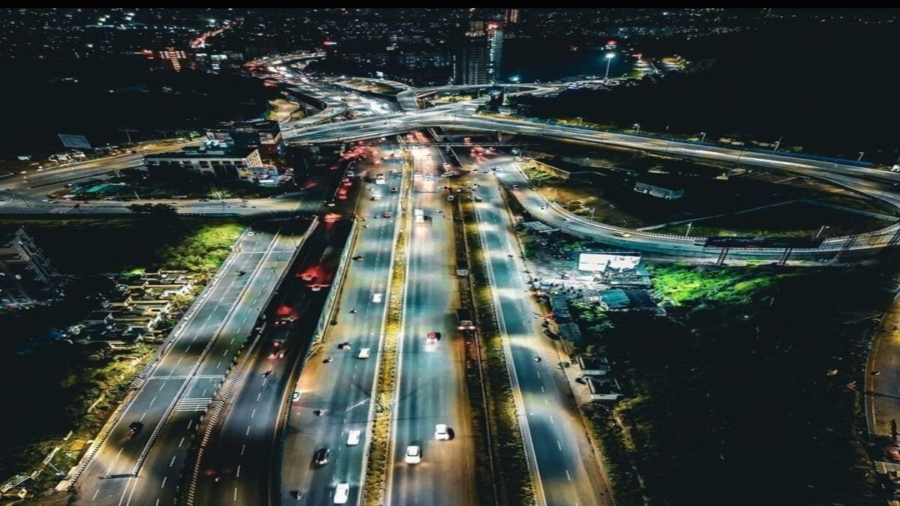
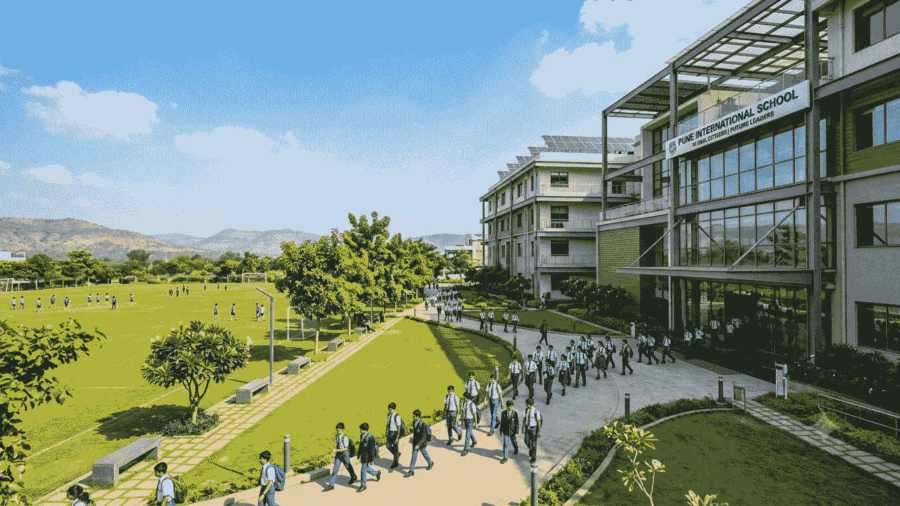
Finding the best schools in Wakad and Hinjewadi is one of the top priorities for IT professionals and families moving to Pune’s western IT corridor. Covering Wakad, Hinjewadi Phase 1 to Phase 3, Maan, and Mahalunge, this belt has become a primary residential hub. Check out PuneBHK residential real estate insights to explore local housing trends alongside educational infrastructure.
The western suburb offers a wide range of choices, including trust-run non-profit CBSE institutions, ICSE schools, and high-tech international campuses providing IB curricula. Selecting the right option requires evaluating annual fee structures, board affiliations, infrastructure, and peak-hour traffic conditions. Discover how the best schools in Wakad and Hinjewadi compare across these four connected localities.
1. How to Choose Between Established and Modern Schools
When searching for the best schools in Wakad and Hinjewadi, parents usually choose between two main operational setups based on budget, learning preferences, and long-term goals.
A. Established Trust Institutions
Established institutions like Pawar Public School, Amrita Vidyalayam, Blue Ridge Public School, Akshara International School, and Indira National School follow traditional, structured academic frameworks. These non-profit trusts focus on consistent board examination results and discipline.
- Proven Academic Results: These top institutions among the best schools in Wakad and Hinjewadi have consistent Class 10 and Class 12 board examination track records.
- Lower Teacher Turnover: Faculty stability is higher, giving children consistent academic guidance throughout primary and secondary grades.
- Predictable Fees: Annual tuition fees remain in moderate brackets with regulated revision cycles.
- Key Consideration: Admission competition is high. Seat availability is limited, and priority is often given to sibling quotas or specific local township residents.
B. Modern Smart-Campus Schools
Newer options such as EuroSchool Wakad, PICT Model School, and Global Indian International School (GIIS) focus on technology-driven, experiential learning environments.
- High-Tech Infrastructure: Classrooms feature interactive smart-boards, digital labs, robotics units, and modern sports facilities.
- Flexible Admissions: Enrollment procedures are straightforward, making them convenient for parents relocating mid-academic year.
- Skill Development: Curricula emphasize public speaking, coding, critical thinking, and co-curricular programs alongside core academic subjects.
- Key Consideration: Annual tuition fees fall into higher price brackets, and yearly fee revisions tend to be higher than older trust schools.
2. Educational Board Comparison Matrix
Choosing the right educational board shapes your child’s learning approach, exam preparation, and readiness for national competitive exams or overseas university studies when exploring the best schools in Wakad and Hinjewadi.
| Educational Board | Core Curriculum Focus | Best Suited For |
|---|---|---|
| CBSE (Central Board) | Standardized national curriculum emphasizing Mathematics, Science, and logical reasoning. | Families with inter-state transfers or students preparing for competitive exams like JEE/NEET. |
| ICSE / CISCE | Detailed syllabus focusing equally on English literature, language fundamentals, arts, and humanities. | Students looking for strong analytical writing, communication skills, and balanced education. |
| IB / IGCSE (International) | Inquiry-based learning focused on application, research, critical thinking, and personal growth. | Expat families, senior executives, or students targeting undergraduate studies abroad. |
3. Complete Guide to the Best Schools in Wakad and Hinjewadi
Zone 1: Hinjewadi Phase 3 & Maan Belt
The Maan and Hinjewadi Phase 3 belt is ideal for professionals working in Phase 3 tech parks housing TCS, Cognizant, and Tech Mahindra, allowing them to avoid daily commuting through central Hinjewadi traffic while accessing the best schools in Wakad and Hinjewadi.
Pawar Public School
Location: Hinjewadi Phase 3 / Maan
Est. Annual Fee: ₹80,000 – ₹95,000 / year
Pawar Public School is recognized among the best schools in Wakad and Hinjewadi for parents seeking budget-friendly, high-quality CBSE education. It offers a disciplined environment and strong academic results right next to Phase 3 IT companies.
Official Website: ppshinjewadi.ppctschools.com
Pros
- Strong board examination track record
- Affordable, transparent fee structure
- Zero commute time for Phase 3 residents
Cons
- Seats fill up very quickly
- High competition during admission cycles
Amrita Vidyalayam
Location: Hinjewadi Phase 3 / Maan
Est. Annual Fee: ₹60,000 – ₹80,000 / year
Amrita Vidyalayam is a well-known trust-run CBSE institution located in the Maan and Hinjewadi Phase 3 corridor. It ranks among the best schools in Wakad and Hinjewadi for parents seeking value-based education at a reasonable fee tier near major IT campuses.
Official Website: amritaschool.edu.in
Pros
- Value-based academic focus
- Highly budget-friendly fee structure
- Minimal daily commute for Phase 3 tech employees
Cons
- High admission demand for limited annual seats
Zone 2: Hinjewadi Phase 1 & 2 Belt
Hinjewadi Phase 1 serves as the core commercial sector of the IT park, offering walkable township layouts, health centers, and commercial hubs.
Blue Ridge Public School
Location: Hinjewadi Phase 1
Est. Annual Fee: ₹70,000 – ₹1,10,000 / year
Located directly inside Phase 1, Blue Ridge Public School follows the ICSE board. It offers a walk-to-school setup for families residing in Phase 1, placing it prominently among the best schools in Wakad and Hinjewadi.
Official Website: blueridgepublicschool.com
Pros
- Excellent ICSE academic performance
- Access to integrated sports facilities
- Walkable access for Phase 1 residents
Cons
- Heavy shift-hour traffic near Phase 1 road
- High preference for internal township owners
Mahindra Int’l School
Location: Hinjewadi Phase 1
Est. Annual Fee: ₹5,000,000 – ₹12,000,000+ / year
Formerly Mercedes-Benz International School, Mahindra International School stands out among the best schools in Wakad and Hinjewadi as a premier IB World School. It offers global learning programs favored by expat families and senior executives.
Official Website: misp.org
Pros
- Top-tier international IB framework
- Multicultural student community
- Direct path to overseas university admissions
Cons
- Very high annual fee investment
- Aimed mostly at expat and executive groups
Zone 3: Wakad Central Area
Wakad is the central residential area connecting the highway to Hinjewadi. Due to its location, Wakad features the highest number of options when searching for the best schools in Wakad and Hinjewadi.
Akshara International
Location: Akshara Lane / Kaspate Wasto, Wakad
Est. Annual Fee: ₹85,000 – ₹1,15,000 / year
Akshara International School is consistently rated among the best schools in Wakad and Hinjewadi for parents seeking well-rounded CBSE education. It balances classroom academics with active sports programs.
Official Website: akshara.in
Pros
- Strong academic and co-curricular programs
- Central Wakad location
- Reliable board examination performance
Cons
- Morning drop-off traffic near Akshara Lane
EuroSchool Wakad
Location: Wakad Central
Est. Annual Fee: ₹1,10,000 – ₹1,60,000 / year
EuroSchool Wakad features modern campus facilities including smart classrooms, robotics labs, and sports turfs, making it a popular choice for IT parents evaluating the best schools in Wakad and Hinjewadi.
Official Website: euroschoolindia.com
Pros
- Modern smart-classroom learning
- Clear, organized admission process
- Emphasis on STEM and practical skills
Cons
- Higher fee range
- Regular fee update cycles
Zone 4: Mahalunge Suburban Area
Mahalunge is a rapidly developing residential area linking Balewadi to Hinjewadi Phase 1 over the Mula River bridge, attracting many new homebuyers and young families looking for the best schools in Wakad and Hinjewadi.
PICT Model School
Location: Mahalunge / Balewadi Border
Est. Annual Fee: ₹1,20,000 – ₹1,60,000 / year
PICT Model School focuses heavily on analytical thinking, science education, and technology. Located near the Mahalunge-Balewadi bridge, it stands out among the best schools in Wakad and Hinjewadi for science-focused learning.
Official Website: pictmodelschool.edu.in
Pros
- Focus on STEM and logical thinking
- Modern learning infrastructure
- Easy access via the Mahalunge river bridge
Cons
- Higher fee structure
- Road work ongoing in nearby areas
4. Quick Comparison Table
Compare board choices, estimated fee ranges, and key features across the best schools in Wakad and Hinjewadi:
| Locality | Key Schools Covered | Board Options | Estimated Fee Range | Key Highlights |
|---|---|---|---|---|
| Maan / Phase 3 | Pawar Public, Amrita Vidyalayam | CBSE | ₹60,000 – ₹95,000 / yr | Value for money; avoids main Hinjewadi traffic for Phase 3 employees. |
| Phase 1 & 2 | Blue Ridge Public, Mahindra Int’l | ICSE / IB | ₹70,000 – ₹12,000,000+ / yr | Walk-to-school options; ranges from ICSE to elite IB boards. |
| Wakad | Akshara Int’l, EuroSchool | CBSE / ICSE | ₹75,000 – ₹1,60,000 / yr | Highest school density; central location for commuters across Pune west. |
| Mahalunge | PICT Model School, GIIS | CBSE / IB | ₹1,20,000 – ₹2,50,000+ / yr | Modern campuses; focus on science, robotics, and global programs. |
5. Essential Parent Checklist Before Finalizing Admission
Before confirming an admission or signing a rental lease near the best schools in Wakad and Hinjewadi, run through this practical checklist:
- Test Peak Travel Times: Test the school bus route between 7:30 AM and 8:30 AM. Crossing major junctions like Bhumkar Chowk or Dange Chowk can add 30 minutes to daily travel.
- Confirm Bus Routes: Always confirm with the school transport desk if their buses cover your specific building or lane.
- Ask for Total Annual Expenses: Request a complete fee document. Standard tuition numbers often exclude annual charges, security deposits, uniform kits, books, and bus fees.
- Verify Board Affiliation Status: Ensure newer or expanding school campuses hold updated affiliation certificates from CBSE, ICSE, or IB for senior grades.
Legal & Editorial Disclaimer
1. Image Attribution & Visual Representation: All visual assets consist of generic royalty-free stock imagery intended purely for conceptual visual representation. No image depicts actual physical premises, building facades, classrooms, or trademarked logos of the mentioned institutions.
2. Information Accuracy & Fee Revisions: School fee structures, admission criteria, quota allocations, and educational board affiliations are subject to independent periodic changes by respective school management boards and local fee regulation authorities. While all information is curated to reflect accurate 2026 guidelines, readers are strongly advised to independently verify current details directly with school administrative offices before making financial commitments.
3. Non-Commercial Disclosure: This editorial article is published strictly for informational, educational, and guidance purposes on PuneBHK.com. No compensation or promotional sponsorship was accepted from any school management, real estate developer, or educational trust mentioned within this post.
Looking for residential properties nearby? Explore our latest updates on PuneBHK.https://punebhk.com/